Types of Cupping Therapy: Dry, Fire, Wet, and More
7 min read
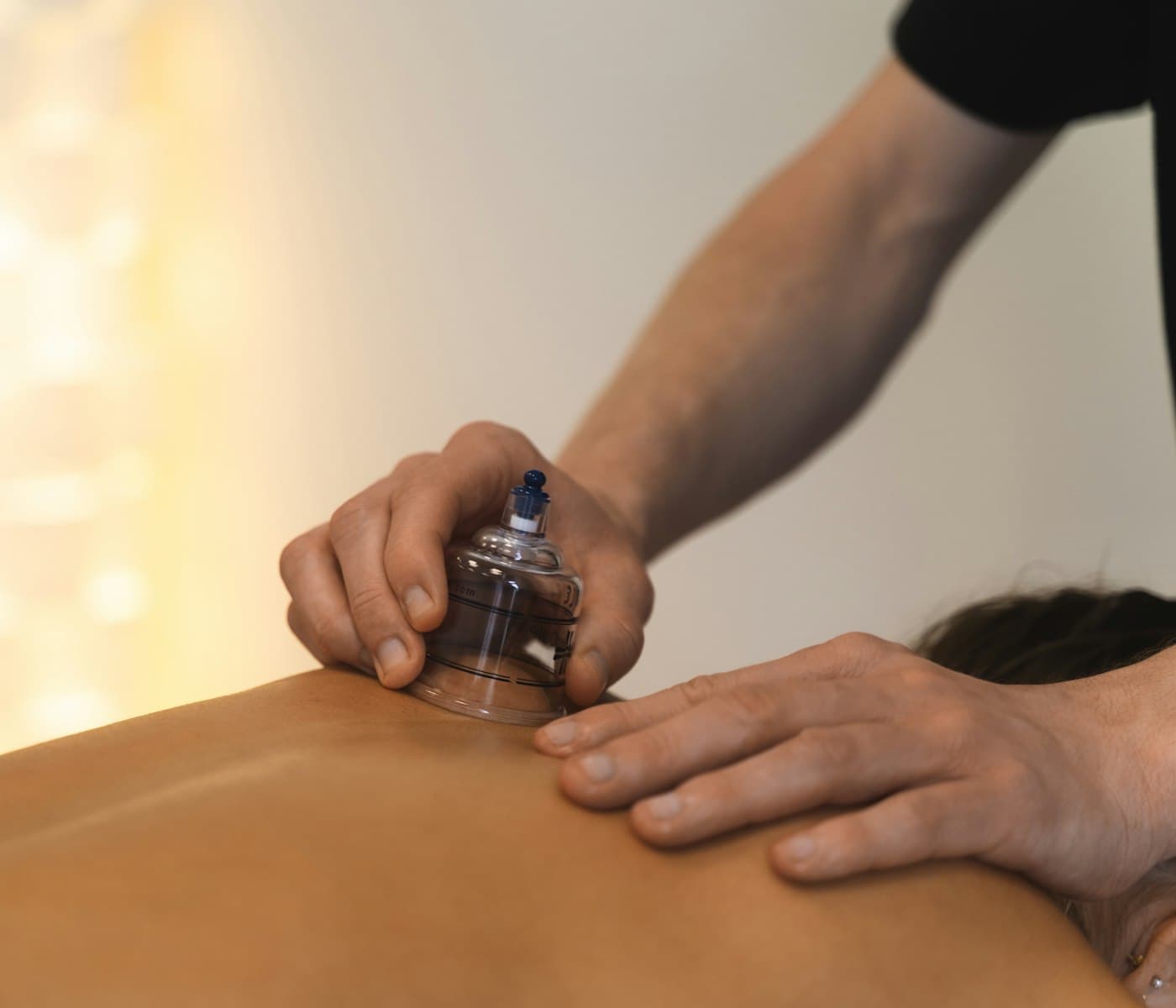
Cupping is a family of techniques, not a single treatment. They share the same idea, using suction to lift the skin and tissue, but they differ in how the suction is made and how the cups are used.
Knowing the styles helps you pick the right provider. Here is each main type, what it feels like, and who tends to offer it. If you are new to cupping, start with the overview of what cupping therapy is.
Dry cupping
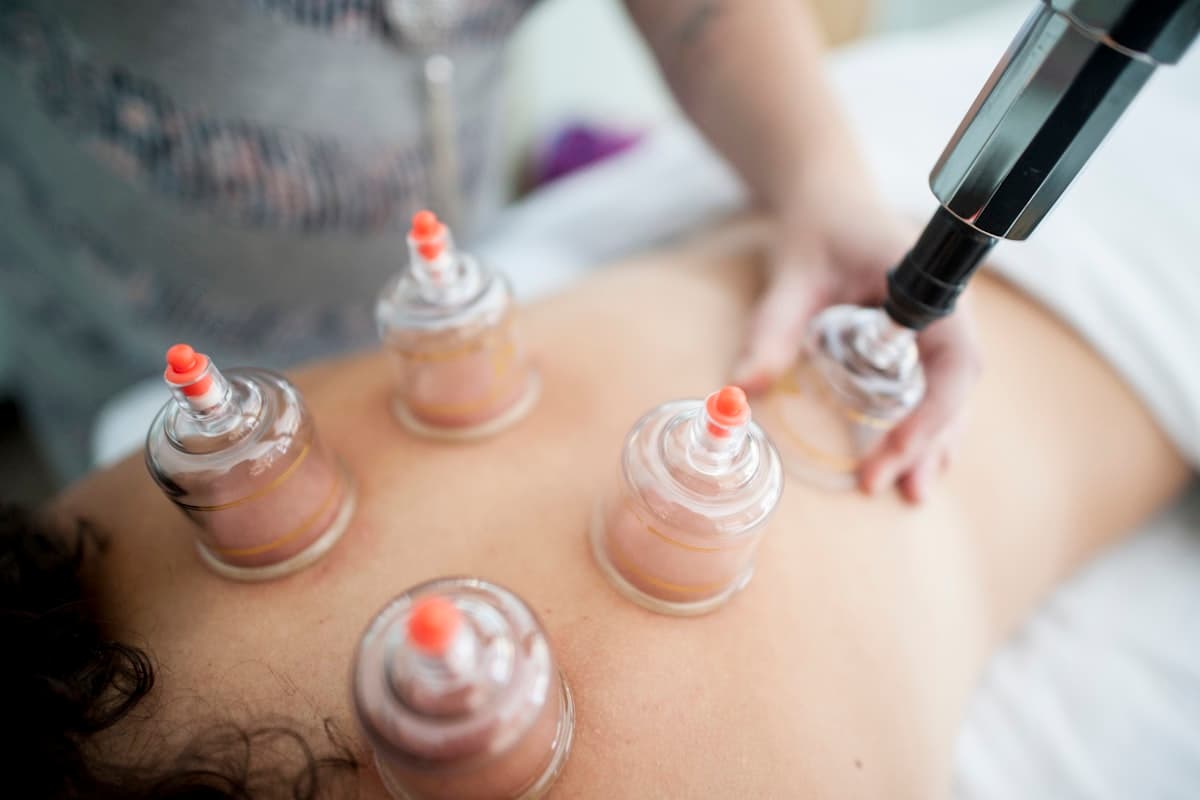
Dry cupping uses vacuum suction to draw the skin up into stationary cups, with no fire and no incisions. It is the most widely offered form and a safe starting point for most people.
Providers place several cups and leave them for 5 to 15 minutes. You feel a steady pull, and the cups often leave temporary circular marks, which we explain in the guide to cupping marks.
Massage cupping
Also called gliding or moving cupping, this style adds oil to the skin so the cups can slide. The provider moves them across muscles to release tension and improve circulation, blending cupping with massage.
Licensed massage therapists most often offer this style. It tends to feel like a deep, broad massage stroke.
Fire cupping
Fire cupping is the traditional method. A brief flame heats the air inside a glass cup, and as the air cools the cup grips the skin. The flame never touches you, it only removes oxygen to create suction.
Licensed acupuncturists trained in traditional Chinese medicine most often perform fire cupping.
Wet cupping (hijama)
Wet cupping, also called hijama, combines suction with small, superficial incisions to draw a small amount of blood. It requires specific training and licensing, and availability varies by state and provider.
Because it breaks the skin, wet cupping calls for a provider who follows strict hygiene and safety standards.
Facial cupping
Facial cupping uses small, soft cups with gentle suction to stimulate circulation and support skin tone. Sessions are brief and are often paired with a facial or massage. The cups are kept moving so they do not leave marks.
Myofascial decompression
Myofascial decompression is the clinical name for cupping used in physical therapy and sports rehab. Providers often combine the cups with movement, asking you to stretch or move the area while the cups are on, to restore range of motion and support recovery.
Physical therapists and athletic trainers use this approach, and it is popular for athletic recovery.
How to choose
Pick the style by your goal. For general muscle tension, dry or massage cupping is a good start. For rehab and mobility, look for myofascial decompression. You can filter providers by profession and style on cuppingtherapynearme.com.
If you want to practice gentle dry cupping at home, a complete kit like the Myofascial Releaser cupping set gives you multiple cup sizes and clear instructions.
Common questions
Which type of cupping is best for beginners?
Dry cupping or massage cupping. Both use gentle suction, avoid fire and incisions, and are widely available.
Does fire cupping burn the skin?
No. The flame heats the air inside the cup and is removed before the cup touches you. A trained provider uses it only to create suction.
What is the difference between cupping and myofascial decompression?
They use the same cups. Myofascial decompression is cupping applied in a clinical, rehab setting, often combined with movement to restore range of motion.
Find a cupping provider
Search licensed therapists who offer cupping in your city and compare credentials, styles, and reviews.
Find a provider near youTry cupping at home
The professional set many therapists use, with 18 cups, hand pumps, and an instruction booklet.
See the cupping setKeep reading
What Is Cupping Therapy? A Plain-Language Guide
How cupping works, who performs it, and what a session feels like, in plain language.

Cupping Marks Explained: What the Circles Mean
Why cupping leaves round marks, what the colors mean, how long they last, and simple aftercare.
Cupping Therapy for Athletes and Recovery
How athletes use cupping for soreness and mobility, what myofascial decompression adds, and an honest note on the evidence.
This guide is educational and is not medical advice. For a diagnosis or treatment plan, talk to a qualified provider.