Cupping Therapy Benefits: What It Can and Cannot Do
6 min read
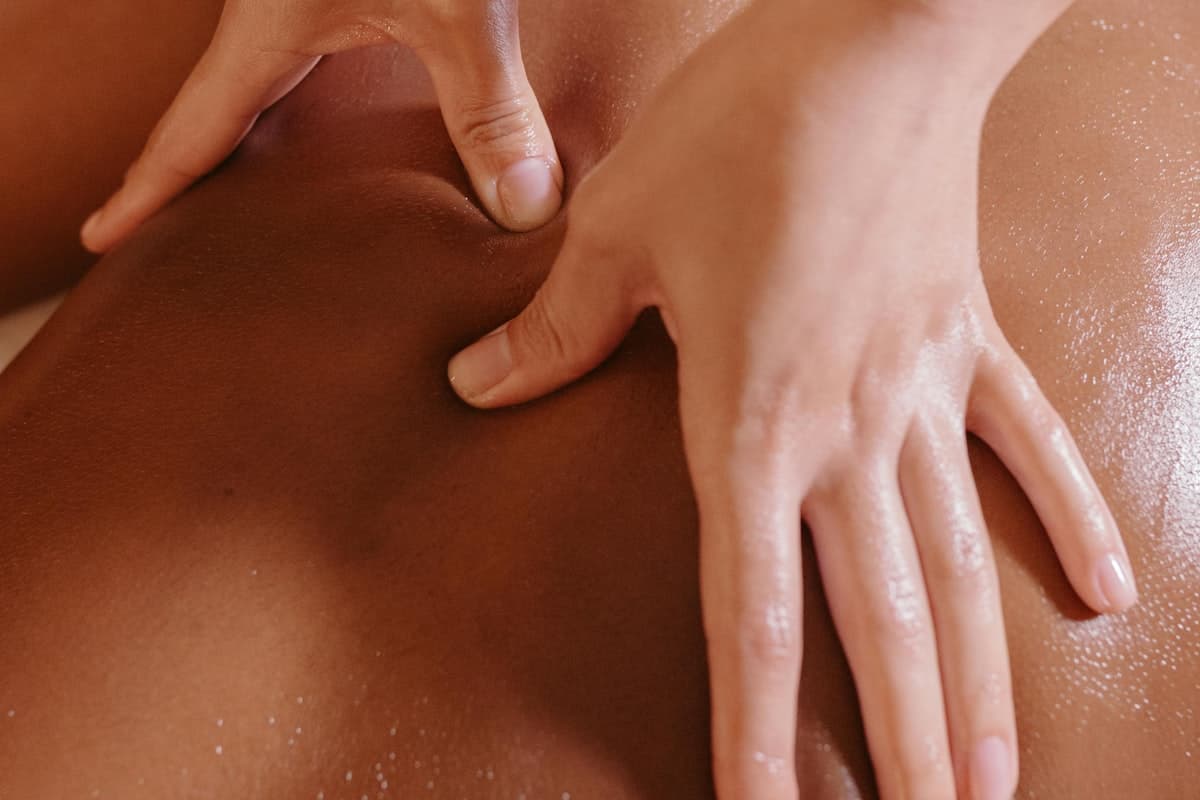
People try cupping for tight muscles, sore backs, and stiff shoulders, and many walk out feeling looser and more relaxed. Those are real, reported benefits worth understanding.
It helps to be clear-eyed about what cupping can and cannot do. The research is limited and mixed, so this guide separates the benefits people commonly notice from claims that go too far. If you are new to the topic, start with what cupping therapy is.
Better circulation and blood flow
Suction pulls the skin and the tissue beneath it upward, which draws blood toward the surface. That local rise in blood flow is one of the more consistent, observable effects of cupping, and it is what causes the temporary round marks.
More blood flow to a tight area can help it feel warmer and looser. This is a short-term, local effect, so think of it as support for tissue that has become stuck, not a fix for a circulatory condition.
Muscle tension and tightness relief
The most common reason people book cupping is muscle tension. Decompressing tight tissue, especially with gliding or massage cupping, can ease the pulling feeling in the neck, shoulders, and lower back.
Relief is often felt right away, though it may be temporary. Cupping tends to work best as part of a routine that includes movement, stretching, and other bodywork rather than as a one-time cure.
Range of motion and mobility
When tissue loosens, a joint or muscle can sometimes move more freely. Physical therapists and athletic trainers use cupping with movement, asking you to stretch the area while the cups are on, to support mobility.
This is why cupping shows up in sports and rehab settings. For how athletes use it around training, see the guide to cupping therapy for athletes.
Recovery and soreness after training
Many athletes and active people use cupping to take the edge off muscle soreness. Some small studies suggest short-term relief for soreness and localized pain, though the quality of that research is limited and results vary.
Cupping will not repair an injury or replace rest, good sleep, and proper loading. Treat it as one supportive tool that can make recovery days more comfortable.
Relaxation and stress relief
The steady pull of the cups and the quiet of a session leave many people feeling calm and relaxed. That relaxation is a genuine benefit, even if it is hard to measure in a study.
Part of the value likely comes from slowing down and the hands-on care itself. That is a fair reason to enjoy cupping, as long as your expectations stay grounded.
What the evidence does and does not show
Here is the honest picture. Some research points to short-term relief for neck and back pain and muscle soreness, but many studies are small, brief, or hard to blind, and findings are mixed. We go deeper on this in does cupping therapy work.
Cupping is a supportive therapy, not a treatment for disease. If you want to try it, you can find a provider by profession and style on cuppingtherapynearme.com, or start gently at home with a complete kit like the Myofascial Releaser cupping set.
Common questions
How long do the benefits of cupping last?
It varies. Many people feel looser and more relaxed right after a session, and that can last hours to a few days. Ongoing tension often needs regular sessions plus movement and stretching.
Can cupping cure back pain or an injury?
No. Cupping is a supportive therapy that may ease tension and soreness for a while. It does not repair injuries or cure conditions, so use it alongside a broader plan and see a provider for persistent pain.
Is there strong scientific proof cupping works?
Not yet. Some small studies suggest short-term relief for muscle and back pain, but the research is limited and mixed. The evidence overview covers this in more detail.
Who should not try cupping?
Anyone with a bleeding disorder, on blood thinners, with fragile skin, or who is pregnant should check with a provider first. It is best applied to healthy muscle tissue, not over wounds or rashes.
Find a cupping provider
Search licensed therapists who offer cupping in your city and compare credentials, styles, and reviews.
Find a provider near youTry cupping at home
The professional set many therapists use, with 18 cups, hand pumps, and an instruction booklet.
See the cupping setKeep reading

Cupping Therapy for Athletes and Recovery
How athletes use cupping for soreness and mobility, what myofascial decompression adds, and an honest note on the evidence.
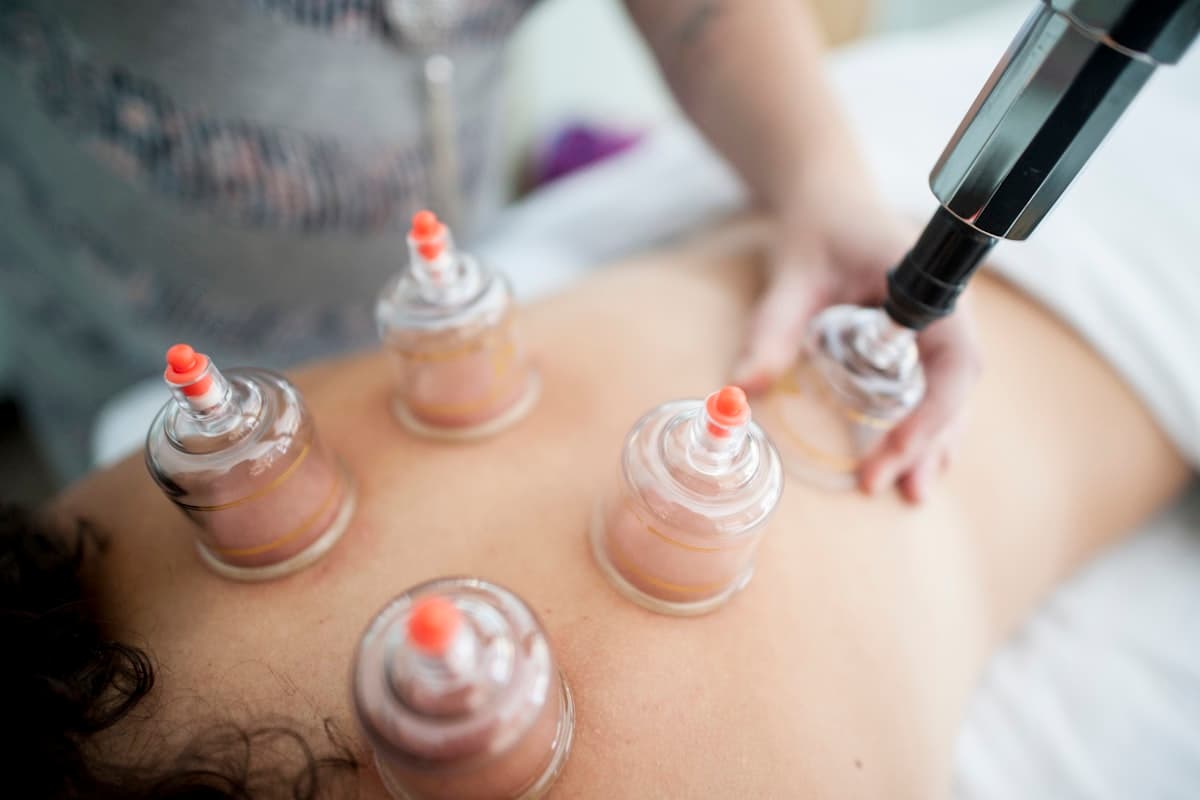
Does Cupping Therapy Work? What the Evidence Says
A balanced summary of the evidence, from short-term pain relief to the role of placebo and the massage that comes with it.
What Is Cupping Therapy? A Plain-Language Guide
How cupping works, who performs it, and what a session feels like, in plain language.
This guide is educational and is not medical advice. For a diagnosis or treatment plan, talk to a qualified provider.